
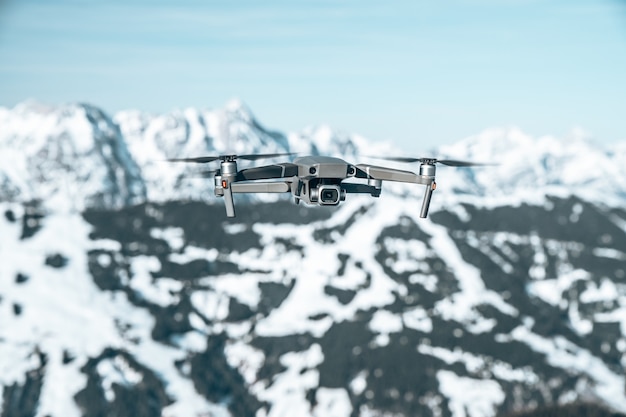
In the face of natural disasters and humanitarian crises, time is often the most critical factor in saving lives and minimizing damage. Drone technology has emerged as a transformative tool in disaster management and relief efforts, offering innovative solutions that are both efficient and life-saving. With their agility, speed, and ability to access areas that are otherwise unreachable, drones are revolutionizing how we respond to emergencies.
Transforming Disaster Site Assessments
The first hours following a disaster are crucial for assessing the extent of the damage and prioritizing resources. Drones for disaster site assessment have become invaluable in this stage. Equipped with high-resolution cameras and thermal imaging sensors, drones provide a bird’s-eye view of affected areas, capturing detailed images and videos that help authorities understand the scale of the destruction.
Unlike traditional methods, which may require ground teams to physically survey treacherous landscapes, drones can fly over debris, flooded regions, or collapsed buildings to gather data in minutes. This rapid assessment capability allows emergency response teams to allocate resources effectively, saving precious time and effort.
For example, in the aftermath of hurricanes or earthquakes, drones can map areas of devastation, identify critical infrastructure damage, and locate survivors in need of urgent assistance. Their ability to transmit real-time data ensures that decision-makers are always equipped with the latest information.
Enhancing Search and Rescue Operations
When lives are on the line, precision and efficiency become paramount. Search and rescue operations with drones have redefined how emergency responders locate and assist individuals trapped in challenging environments.
Drones equipped with infrared sensors and thermal cameras can detect heat signatures of survivors even in complete darkness or obscured conditions, such as under rubble or dense foliage. Their ability to hover silently and maneuver through tight spaces makes them an ideal choice for rescue missions where traditional vehicles or helicopters cannot reach.
Moreover, drones can be deployed in swarms to cover vast areas simultaneously, drastically reducing the time required to locate survivors. In mountainous regions, flood zones, or urban disaster sites, drones act as the eyes and ears of search teams, ensuring no area is overlooked.
Delivering Supplies to Disaster Zones
One of the most remarkable contributions of drone technology is its role in delivering aid. Delivering supplies to disaster zones has never been more efficient. In situations where roads are blocked, or infrastructure is destroyed, drones step in to bridge the gap.
Drones can transport medical supplies, food, water, and other essentials to remote or isolated communities. Their ability to navigate difficult terrain and fly over hazardous areas ensures that help reaches those who need it most.
During the COVID-19 pandemic, drones were utilized to deliver vaccines and medical equipment to underserved regions, showcasing their potential for addressing global challenges. Similarly, in conflict zones or areas impacted by wildfires, drones have proven to be a reliable lifeline.
Monitoring Environmental Changes in Real Time
Disasters often leave lasting environmental impacts, such as landslides, water contamination, or deforestation. Monitoring environmental changes in real time is critical for assessing long-term recovery efforts and mitigating future risks.
Drones equipped with advanced sensors can track changes in topography, water levels, and vegetation over time. By creating detailed maps and 3D models, drones provide a comprehensive picture of how ecosystems are affected and help authorities develop strategies to restore balance.
For instance, after a flood, drones can monitor sediment buildup in rivers or assess the risk of further landslides. In wildfire-prone areas, drones help track fire behavior and identify hotspots, allowing firefighting teams to act more effectively.
The Future of Drones in Disaster Management
The potential of drones in disaster management is only beginning to be realized. Innovations such as artificial intelligence, machine learning, and improved battery life are set to enhance their capabilities even further. Future drones may be able to autonomously coordinate search and rescue missions, predict disaster impacts, and communicate directly with affected populations.
Additionally, the integration of drones with other technologies, such as satellite imagery and ground-based sensors, will create a holistic approach to disaster response. These advancements will ensure that emergency efforts are more efficient, accurate, and far-reaching.
Conclusion
Drones have proven to be a game-changer in disaster management and relief, addressing some of the most pressing challenges in emergency response. From drones for disaster site assessment to search and rescue operations with drones, their applications are vast and transformative. By delivering supplies to disaster zones and monitoring environmental changes in real time, drones are helping to save lives, reduce suffering, and accelerate recovery efforts.
As the technology continues to evolve, the role of drones in disaster relief will undoubtedly expand, making them an essential tool in safeguarding communities and protecting the planet.


More Stories
Exploring Drone Technology: A Comprehensive Guide
Soar Into the Future: How Drones Are Revolutionizing Tech, Business, and Beyond
Unleashing the Sky: How Autonomous Drones Are Revolutionizing Our World