
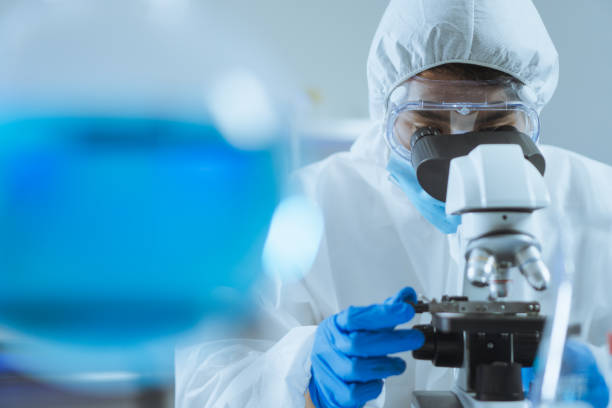
The intersection of biotechnology and diagnostics is a thriving frontier in modern medicine. As advancements in bioengineering, genomics, and artificial intelligence continue to evolve, the ability to detect diseases earlier, more accurately, and in a more personalized manner is becoming a reality. BioTech has unlocked a new wave of AI-powered diagnostic tools, biomarkers for early cancer detection, personalized diagnostics for genetic conditions, and real-time diagnostic testing using biochips, each of which is transforming the diagnostic landscape. These innovations are not only improving accuracy but also making diagnostic processes faster and more accessible, laying the foundation for a new era in healthcare.
The Rise of AI-Powered Diagnostic Tools
In recent years, AI-powered diagnostic tools have surged in popularity, offering unprecedented accuracy and efficiency. Artificial intelligence is being used to analyze vast datasets, enabling faster identification of patterns and anomalies that may otherwise go unnoticed by traditional methods. These tools can sift through medical records, genetic data, and imaging scans, providing healthcare professionals with actionable insights in a fraction of the time it would take to make a diagnosis manually.
Machine learning algorithms are particularly valuable in diagnostics, as they can be trained to detect specific disease markers and even predict outcomes based on historical data. For example, in radiology, AI can analyze X-rays, MRIs, and CT scans to detect early signs of conditions like lung cancer or brain tumors. By leveraging AI-powered diagnostic tools, doctors can make more informed decisions, ultimately leading to better patient outcomes.
Furthermore, AI enables real-time data analysis, enhancing the speed and accuracy of diagnostics. The predictive capabilities of these tools also mean that medical professionals can intervene earlier, providing treatments that may prevent the progression of diseases or mitigate symptoms more effectively.
Biomarkers for Early Cancer Detection
One of the most transformative aspects of biotechnology in diagnostics is the use of biomarkers for early cancer detection. Cancer, when caught in its early stages, is much more treatable. However, many cancers go undiagnosed until they reach later stages, when treatment options become more limited. This is where biomarkers come into play.
Biomarkers are biological indicators, often proteins, genes, or other molecules, that can signal the presence of disease long before symptoms appear. For instance, blood tests that detect specific cancer markers—such as prostate-specific antigen (PSA) for prostate cancer or BRCA1 and BRCA2 genes for breast cancer—are already used in clinical practice to identify individuals at risk. These biomarkers for early cancer detection allow for earlier interventions, which are key in improving survival rates.
Advancements in biotechnology are making it possible to identify even more specific biomarkers related to various types of cancer. As research progresses, new tests are being developed that can detect these markers with greater precision, offering a less invasive and more reliable way to screen for cancer. This is a game-changer in oncology, as it could lead to routine screenings for high-risk individuals, making cancer detection as commonplace as a cholesterol test.
Personalized Diagnostics for Genetic Conditions
The era of personalized diagnostics for genetic conditions is upon us, thanks to advances in genomic sequencing and bioinformatics. Genetic disorders are often complex, and treatment approaches that work for one person may not work for another due to genetic variability. Biotechnology is helping overcome this challenge by enabling tailored diagnostic solutions that consider an individual’s genetic makeup.
Through whole-genome sequencing and targeted genetic tests, doctors can now identify specific mutations or variants associated with inherited diseases. These personalized diagnostics for genetic conditions are not only improving the accuracy of diagnoses but also allowing for more effective and individualized treatment plans. For example, precision medicine can help identify which medications will work best for a particular patient based on their genetic profile, leading to more successful outcomes and fewer adverse side effects.
Beyond treating inherited conditions, personalized diagnostics are also pivotal in understanding complex diseases like autoimmune disorders, cardiovascular diseases, and neurological conditions. As biotechnology continues to improve the sensitivity and specificity of these tests, the ability to deliver personalized healthcare will only expand.
Real-Time Diagnostic Testing Using Biochips
Another cutting-edge development in diagnostics is real-time diagnostic testing using biochips. Biochips are miniaturized devices that can rapidly analyze biological samples, such as blood, saliva, or urine, to detect disease markers. These chips are built with microarrays or sensors that can simultaneously test for multiple conditions at once, offering a comprehensive snapshot of a patient’s health.
The most exciting feature of biochips is their ability to provide real-time results. Unlike traditional diagnostic methods, which may take days or even weeks to return results, real-time diagnostic testing using biochips can deliver immediate feedback. This is particularly crucial in emergency situations, such as diagnosing infections, identifying mutations, or monitoring disease progression.
For example, biochips have been used to test for viruses like HIV, Hepatitis C, and even COVID-19. They can detect these infections in real-time, enabling healthcare providers to make rapid decisions regarding treatment and containment strategies. The potential for biochips extends beyond infectious diseases as well. In chronic disease management, biochips could be used to monitor glucose levels, detect cancer markers, or track inflammation levels in autoimmune diseases, all in real time.
The Future of Diagnostics
The convergence of biotechnology and diagnostics is opening up vast new possibilities for healthcare. With the integration of AI-powered diagnostic tools, biomarkers for early cancer detection, personalized diagnostics for genetic conditions, and real-time diagnostic testing using biochips, the potential for earlier, more accurate, and more individualized diagnoses is vast. The role of these technologies in medical practice is only expected to grow as they continue to evolve and integrate into mainstream healthcare.
As biotechnology progresses, the ability to detect diseases at their earliest stages, predict disease risks, and personalize treatments will significantly improve patient care. This will not only lead to better health outcomes but also lower healthcare costs by focusing on prevention and targeted treatments. Ultimately, these advances will revolutionize the way medicine is practiced, shifting from a reactive to a proactive, personalized approach. The future of diagnostics is not just about discovering diseases—it’s about anticipating them and addressing them before they become life-threatening.


More Stories
Revolutionizing Life: How Biotech Is Unlocking the Future of Health, Food, and Beyond
Unlocking Nature’s Code: How Biotechnology is Redefining Life Itself
Unlocking the Future: How Biotech Research Is Rewriting Life Itself